

What you learn
Four skills every staff member needs
How children grow
What campers need at each age, from 7-year-olds at HDYC to teens at Camp Setebaid.
How to help with homesickness, worries and the first night away from home.
Fair, simple cabin rules, and what to do when a camper is having a hard day.
Working with and teaching children
How to teach at each age, with short steps and lots of practice.
How to lead an activity safely and include every camper.
Diabetes skills are caught, not taught. You coach campers in the moment, between the swim and the campfire.
The diabetes care we use at camp
How campers check blood sugar and plan each dose with the medical and dietary team.
Pumps, CGMs and what their alarms mean.
Carb counts at meals and snacks, and why the snacks matter on busy days.
When to bring a camper to the medical team, and how to reach them fast.
Spotting and treating a low
The signs of low blood sugar: shaky, sweaty, pale, grumpy or confused. Some campers show none. You’ll learn your campers’ specific signs as the week goes on.
What to do right away: fast-acting sugar, then a recheck, using the camp's own steps.
When to get the medical team at once, and what to do while you wait. Know they’re less than a few minutes away.
Why lows can come after a long swim or a big game, and at night.
Who teaches you
The Medical Director and Camp Dietitian teach diabetes care and how to treat lows.
The Camp Director, Program Directors and experienced staff teach child development, teaching and the camp routines.
Who does what
You, the counselor
Your major role is to guide the campers having fun! You will know your campers best, help them with minor lows, notice when something seems wrong, and notify the medical team who is there to assist you.
The medical team
Doctors, nurses and dietitians make the medical decisions: doses, treatments, and pump and sensor changes.
At night
You sleep in the cabin with your campers and help check blood glucose levels by reading the CGM. You treat minor lows, and, if a camper needs help, you alert the medical team; their on-call team is watching the CGMs overnight and they are likely already on their way to help.
New to camp?
You will not be the new one for long
Many of our staff come back every summer, and they all remember their first one. Training is where you meet your cabin team and learn the routines together, before the first camper arrives.
- A buddy who has worked at camp before answers your questions during training.
- Each cabin has a Senior Counselor who has worked at camp before and helps the cabin work as a team.
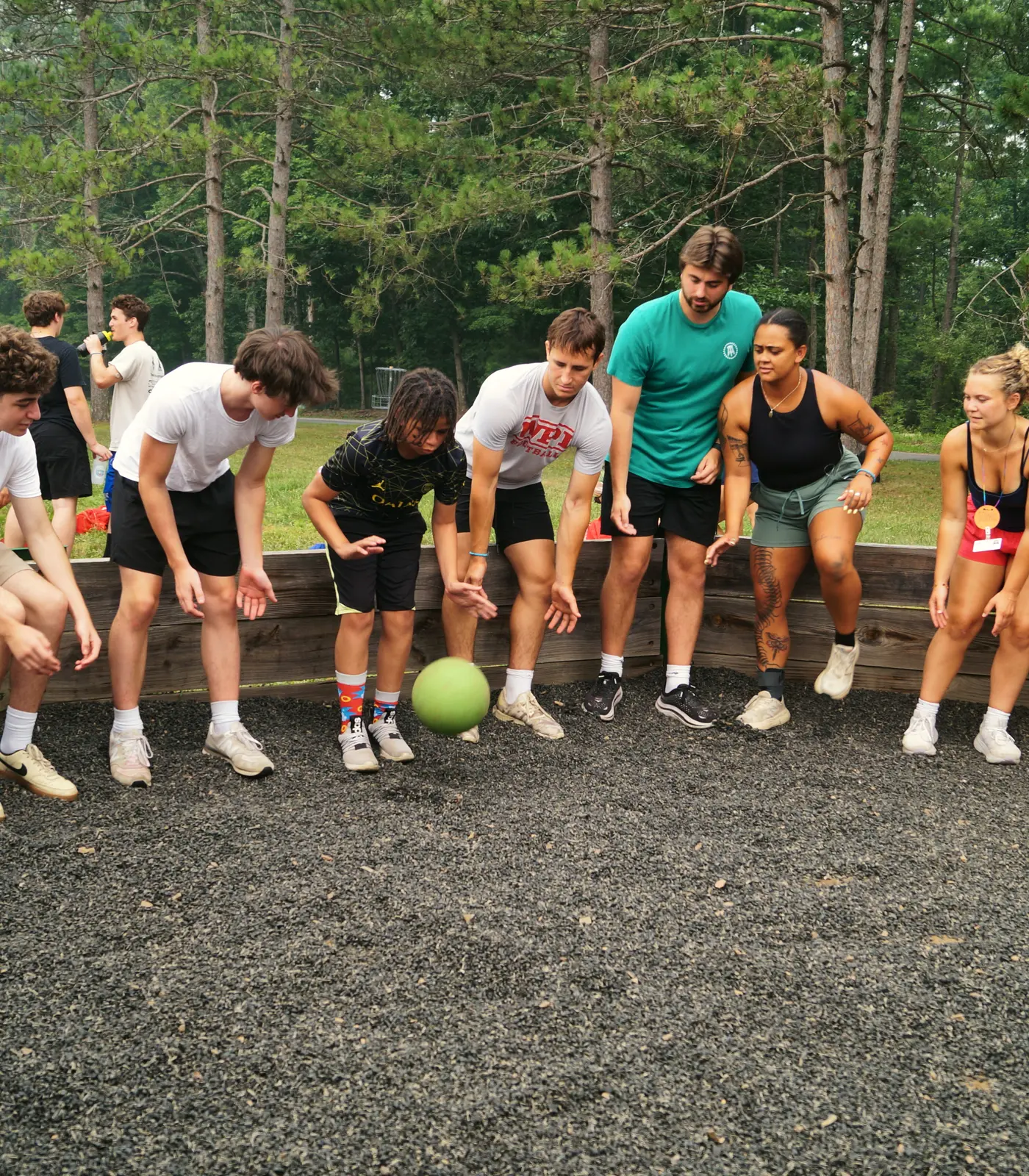
- Team games and meals together during training help you develop teammates and new friends.
- Your Head Counselor supports you and your cabin all week.
“Everyone that volunteers at this camp wants to be there. Everyone puts 110% towards the campers placed with them.” — A former counselor-in-training