diabetessetebaid
Our campers chose our name. Setebaid is diabetes spelled backwards, because together we turn diabetes around.
At our camps, every child has diabetes, so no child is the odd one out. Kids make friends who understand, and they go home more confident about their own care.
Our story
Our story, year by year.
Setebaid started with three people and one camp. Today we run two camps, in the same week, at the same site.
011977
Planning our first programs
Planning for Setebaid's first programs for children with diabetes began in Pennsylvania.
021978-79
HDYC and Camp Setebaid begin
A pediatric endocrinologist, a dietitian and a teacher started Camp Setebaid. The Harrisburg Diabetic Youth Camp (HDYC), today our camp for ages 7–13, began the same year.
031998
Setebaid Services is incorporated
Setebaid Services, Inc. was incorporated to carry the work forward. HDYC joined Setebaid that same year.
04Over the years
Many camp sites, one family
Our camps have met at several sites in Pennsylvania, New York and North Carolina.
05Today
Two camps at Camp Mount Luther
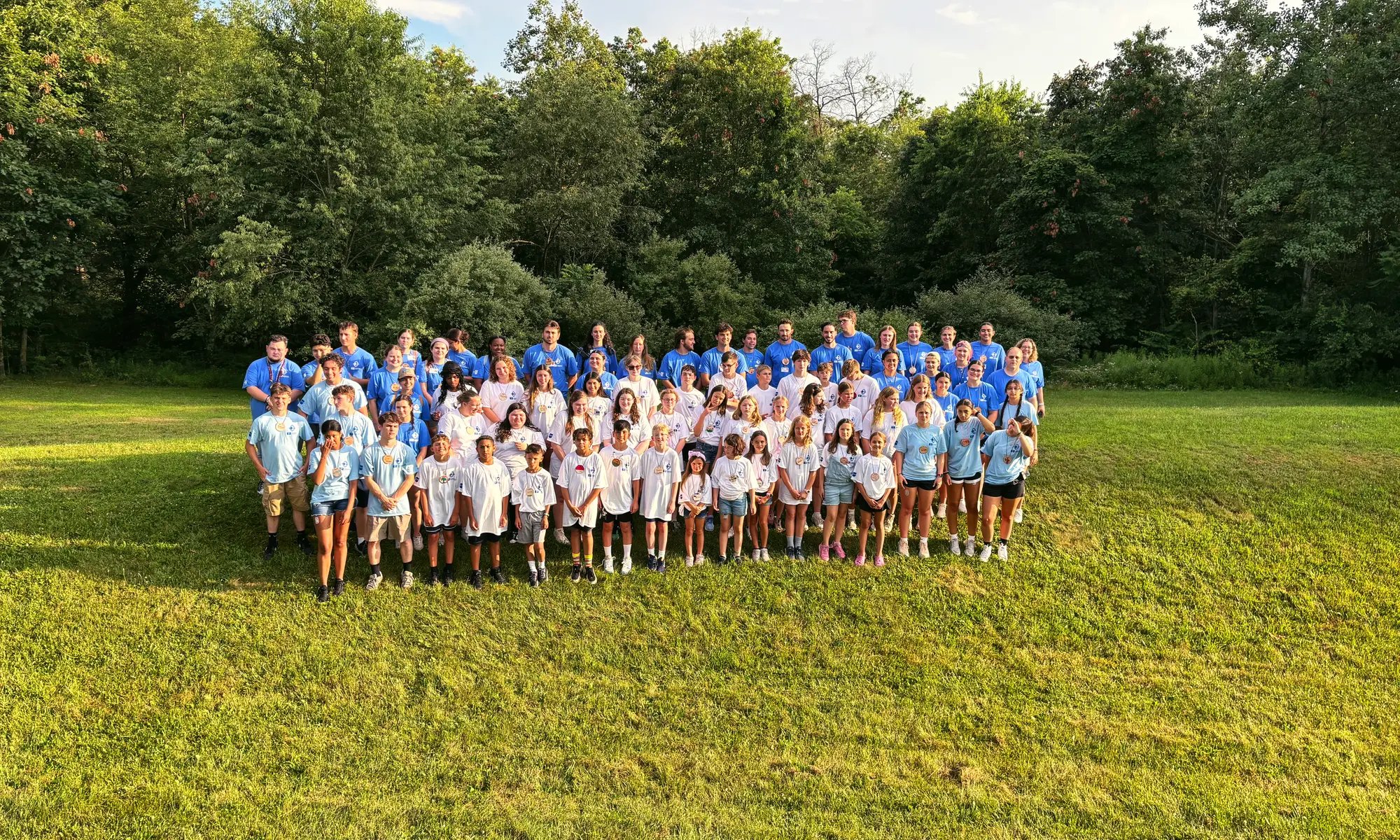
HDYC, for ages 7–13, and Camp Setebaid, for ages 13–17, meet in the same July week at Camp Mount Luther in Mifflinburg, PA.
Our mission, in three parts.
Teach kids and families
We teach kids with diabetes and their families to manage diabetes and live full, healthy lives.
Train health professionals
We teach doctors, nurses and dietitians to care for people with diabetes, and we train future ones at camp.
Encourage research
We encourage diabetes research, so care for kids keeps getting better.
How kids learn at camp
Caught, not taught.
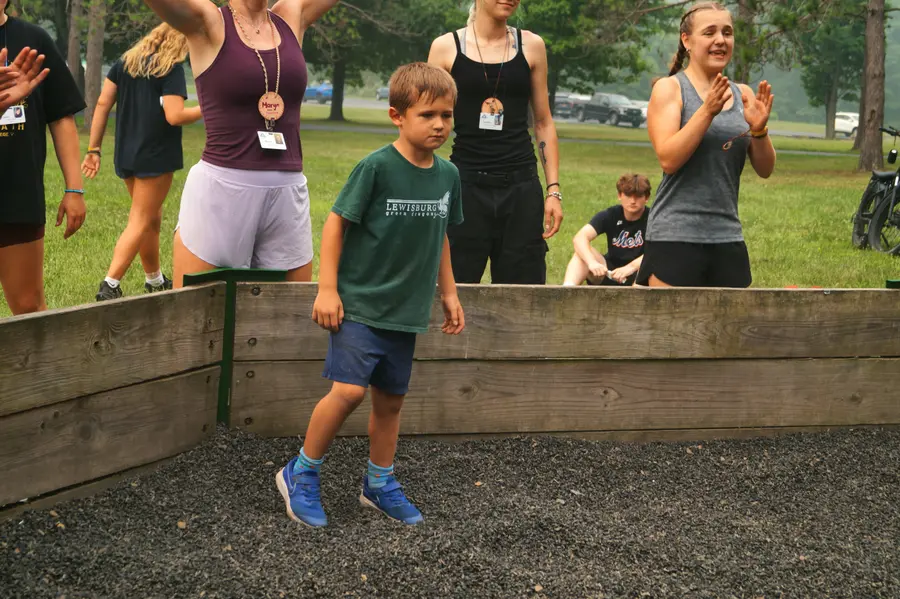
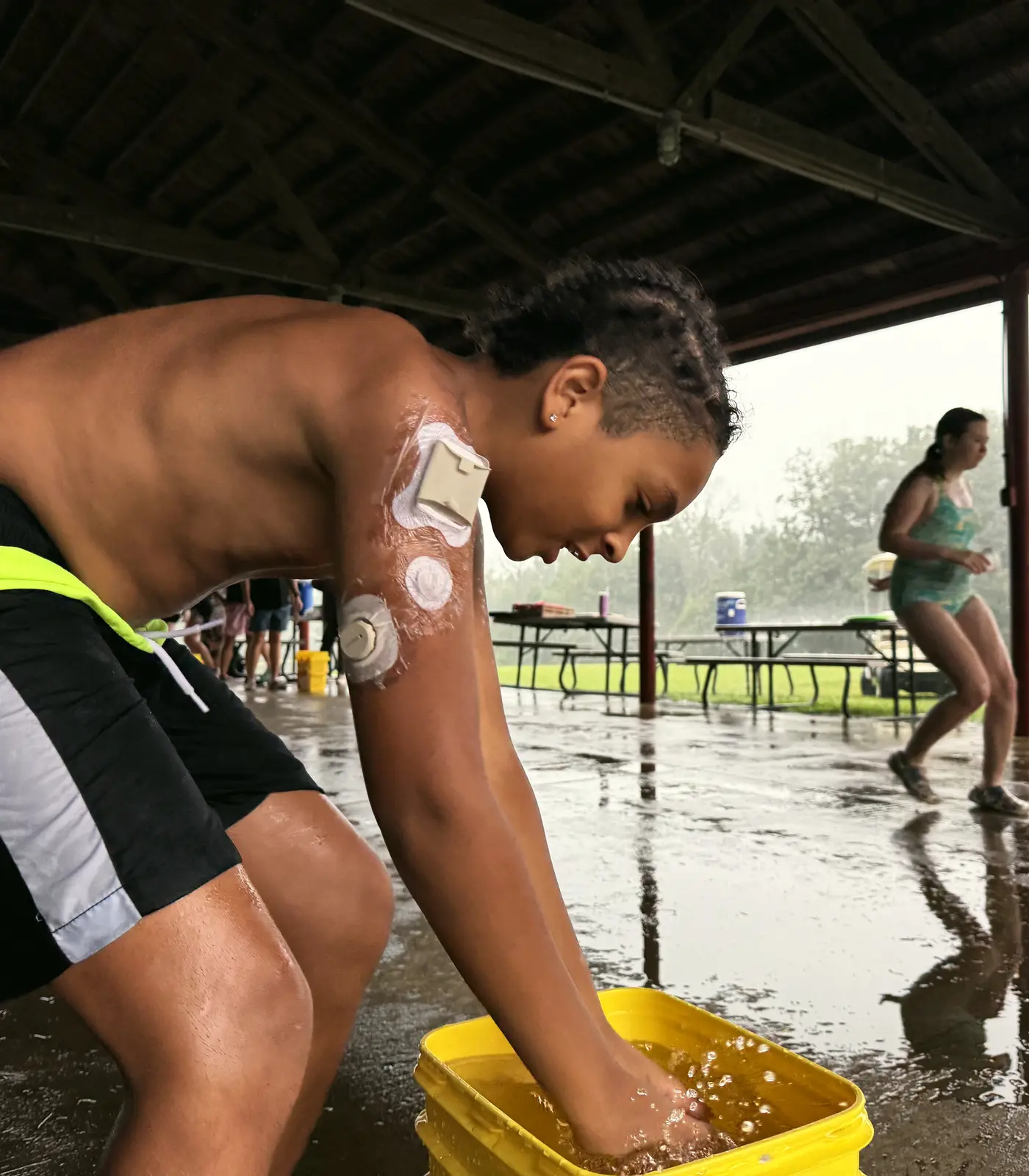
We don't lecture campers or their families. Diabetes skills stick when kids learn them in real life. Our counselors and medical team use teachable moments all day, at meals, before a swim, after a long game. They coach each child while the child manages their own care.
Doctors, diabetes educators and teachers plan how kids learn. Our founders used this team approach in 1978, and we still use it.
The kids don't realize they are learning. They just go home more independent.
Every camper has diabetes, so kids learn from each other too. Many of our counselors and staff have diabetes themselves. Campers see every day what a full life with diabetes looks like.
How it works
- No lectures
- Teachable moments
- Doctors, educators and teachers
- Staff with diabetes too
Training future health professionals
Where young doctors learn what kids need.
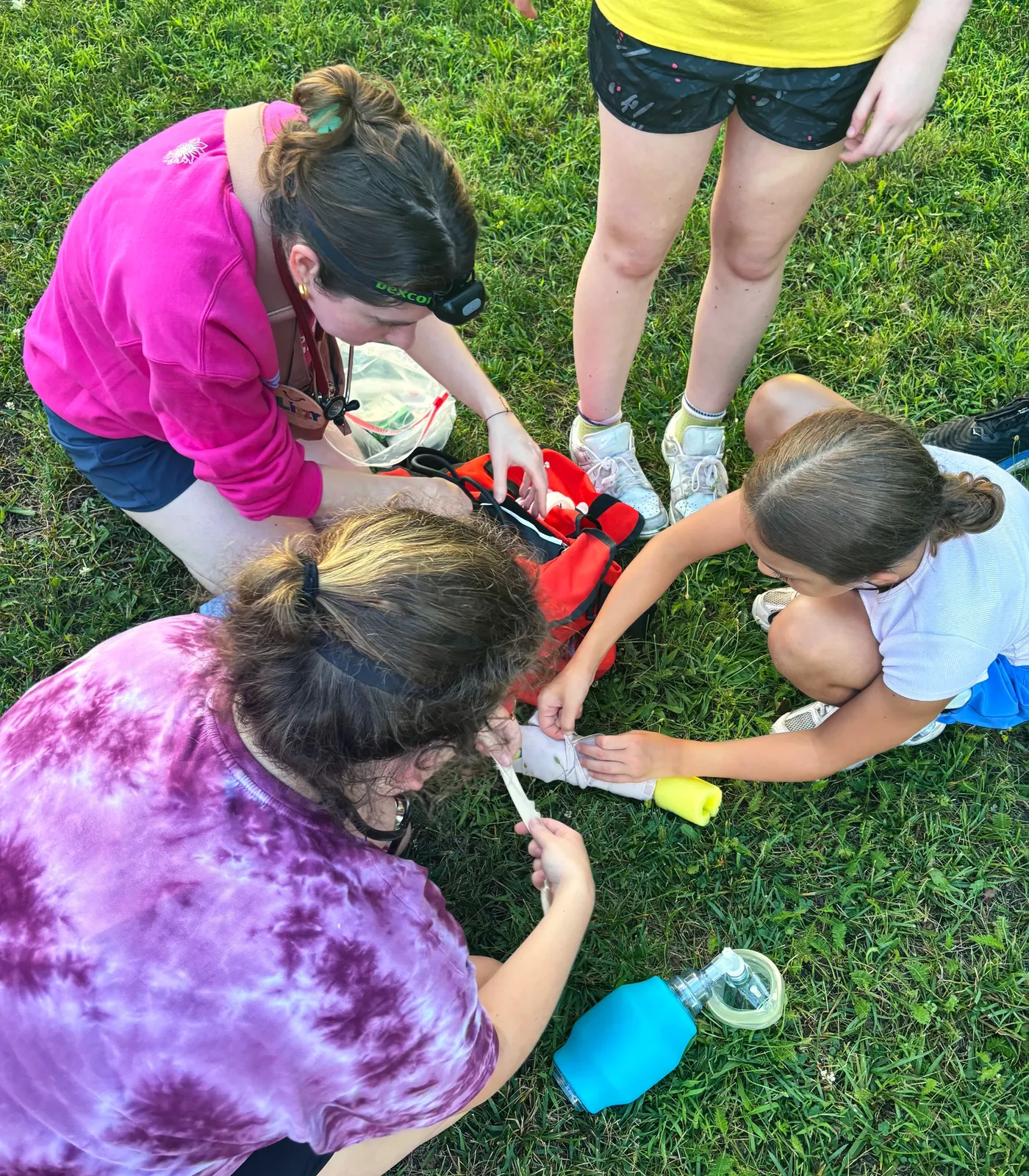
In the early 1990s, Dr. David Langdon, our Medical Director Emeritus, saw that camp could teach young doctors what children with type 1 diabetes need from their care. In a clinic, a doctor sees a child for a few minutes. At camp, they see the whole day. The goal is better care for children and adults with type 1 diabetes in emergency rooms, hospitals and clinics.
Each summer, medical residents, nurse practitioner students and medical students work at camp under close supervision. They help manage insulin, learn to treat low blood sugar and ketones, and join a teaching session every morning after breakfast.
Trainees have come from these hospitals and universities.
- A.I. duPont Hospital for Children, Department of Pediatric Endocrinology
- Children's Hospital of Philadelphia (CHOP) Diabetes Center
- East Carolina University, Department of Pediatric Endocrinology
- Geisinger, Department of Pediatric Endocrinology
- Hunter College Nutrition Program
- Lancaster General Hospital Family Practice Program
- Hospital of the University of Pennsylvania
- Marist College Physician Assistant Program
- Marywood University Department of Nutrition and Dietetics
- Neumann University Nurse Practitioner Program
- New York University Department of Nutrition
- Penn State Children's Hospital, Department of Endocrinology
- Sidney Kimmel Medical College at Thomas Jefferson University
- University of Pennsylvania Perelman School of Medicine
Setebaid does not charge trainees, and their schools do not pay for the program. Donors keep it going through the Dr. David Langdon Medical Staff Training Fund.
What camp does for a child
What one week gives a child.
Camp is fun first. These are the things kids and parents take home.
Who runs camp
The people who make camp.
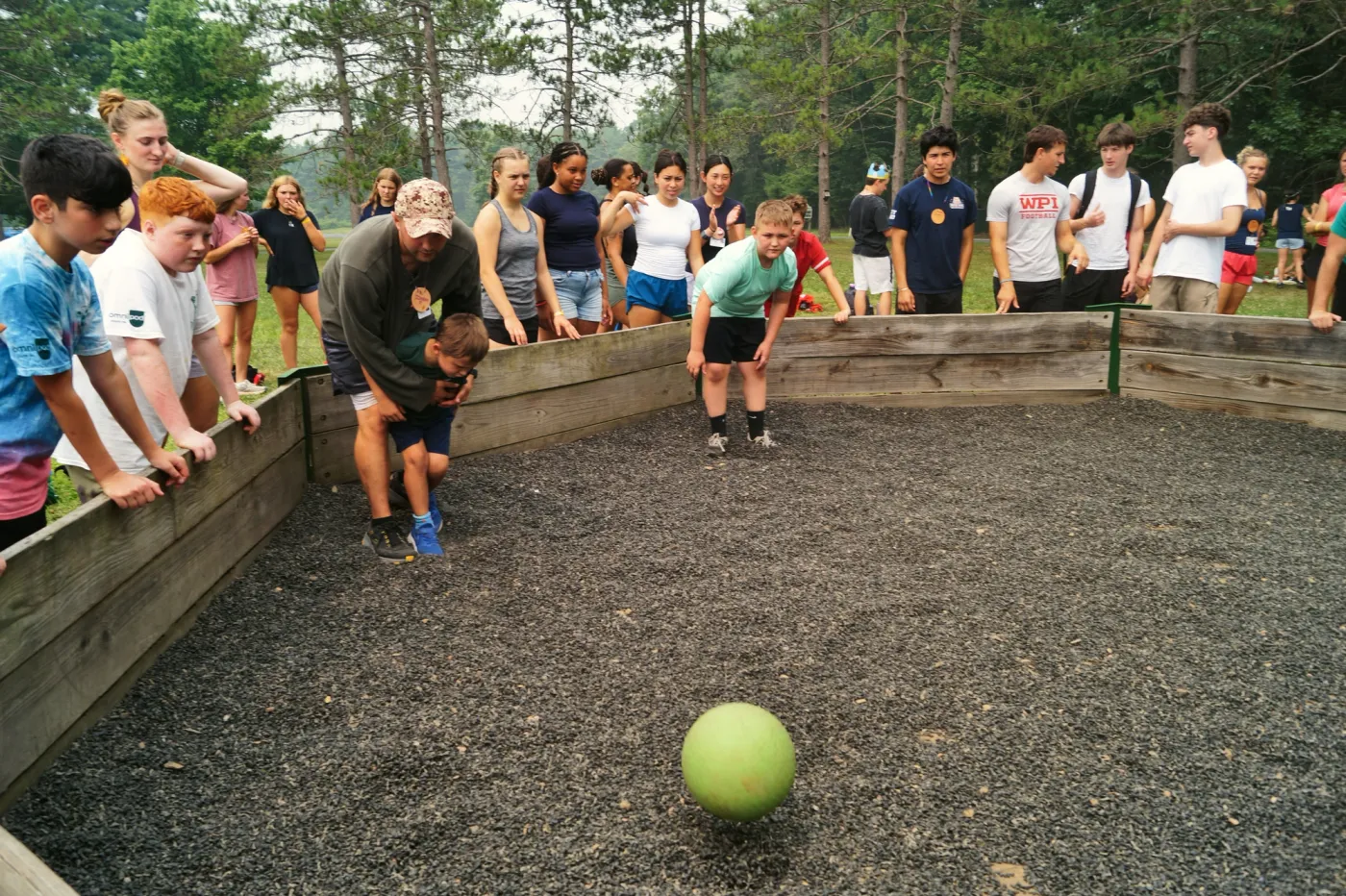
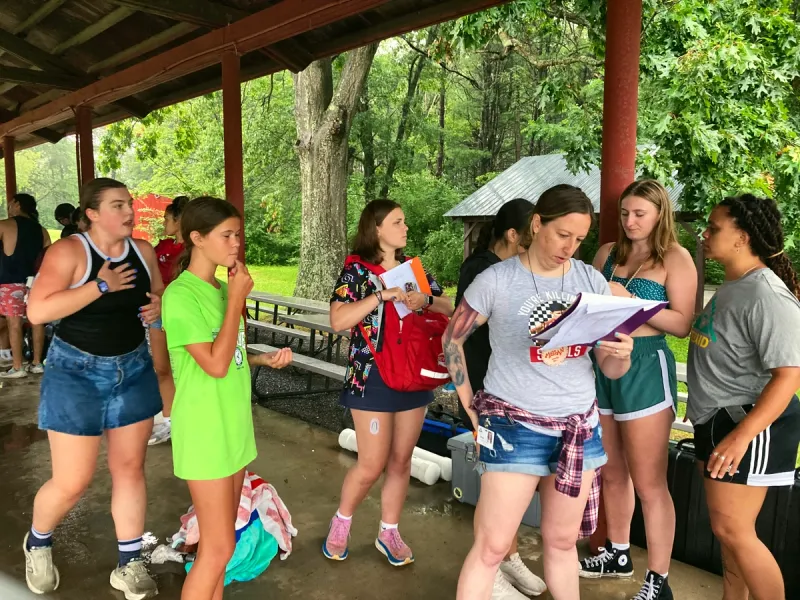
Our camp staff are volunteers, and a small office team works all year. Many of them were campers once. Mark Moyer, our Executive Director, puts it this way: "Campers learn from our team, and our team learns just as much from them."
a helping hand
team huddle
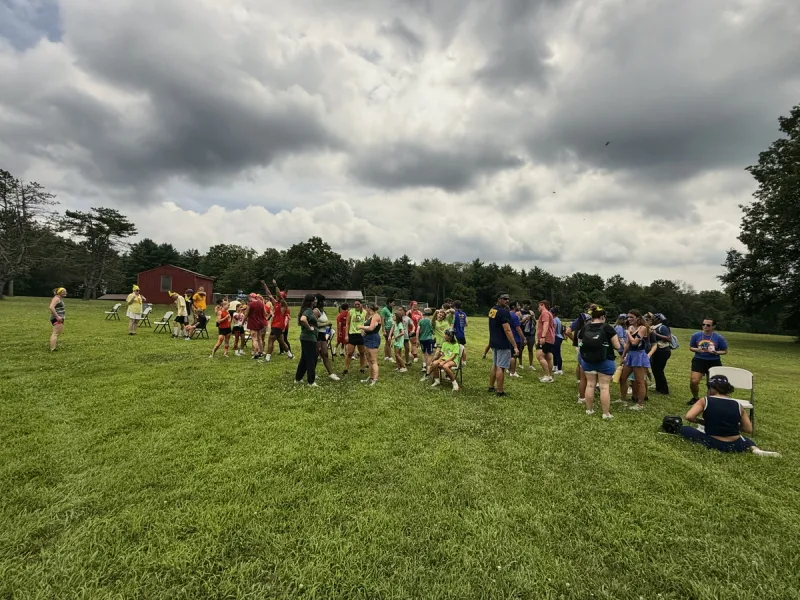
all together
What we stand for
Everyone is welcome here.
Inclusion
Everyone is welcome at Setebaid, whatever their background, beliefs, identity or abilities. We want every camper, family and volunteer to feel valued and to take part.
Safety
The health, safety and welfare of campers and staff come first. We plan for risks and check on every camper all week. Camp still stays camp, with time outdoors, friends, new skills and fun.
Medical staff on site day and night.
The American Camp Association accredits Camp Mount Luther.
A real nonprofit
Setebaid Services, Inc. is a 501(c)(3) nonprofit, led by a volunteer board.
Donors cover most of the cost, so families pay far less than the full cost. Financial help is available.