
The facts in one minute
Medical care at camp, at a glance
Who is on site
A pediatric endocrinologist is the medical director at each camp, on site all week.
Medical staff on site day and night.
A member of the medical team is always present, also at meals and at the pool.
The team includes doctors, nurses, medical residents and dietitians.
Diabetes care
Blood sugar checks before every meal and at bedtime, each with a visit to the medical and dietary team.
Checks at midnight and 3 AM when needed. Medical staff watch CGMs overnight. (Setebaid to confirm: all CGM brands)
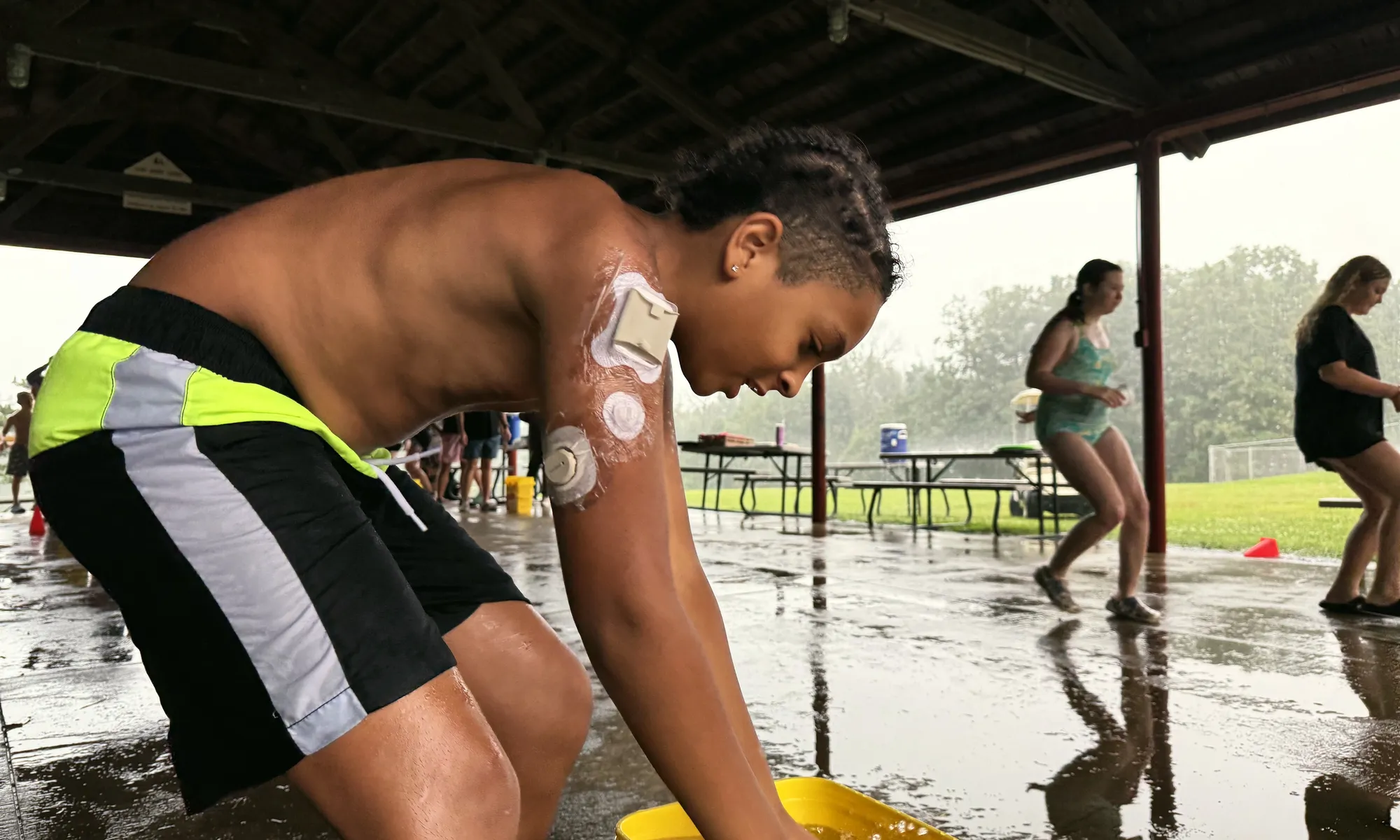
Pumps and CGMs are welcome. Families send the pump and CGM supplies.
Meals with carb counts, planned by dietitians.
Every check and dose goes in the camper's record. Parents get a copy of the blood sugar log at pick-up.
Safe staff, safe camp
Every staff member passes three clearances, including an FBI fingerprint check.
Staff complete online and in-person days of training before campers arrive, including how to recognize and treat lows.
Accredited by the American Camp Association.
Our medical team
The people who care for your child
Each camp has a pediatric endocrinologist as its medical director, on site for the whole week. Doctors, nurses, medical residents and dietitians work with the director. Many of them are the diabetes experts that other doctors call when they need help.
The medical team comes from hospitals and programs such as these:
- Children's Hospital of Philadelphia (CHOP) Diabetes Center
- Geisinger Department of Pediatric Endocrinology
- Lancaster General Hospital Family Practice Program
- The Hospital of the University of Pennsylvania
- Neumann University Nurse Practitioner Program
- Penn State Children's Hospital, Department of Endocrinology
- Sidney Kimmel Medical College at Thomas Jefferson University
- University of Pennsylvania Perelman School of Medicine
Medical residents and students also learn at camp, always with the team beside them. Read how this training began.
At night
Someone is watching, so you can sleep
Many parents wake up for CGM alarms at home. At camp, that job belongs to the team. Counselors and medical staff work together through the night.
- Medical staff watch campers' CGMs overnight and respond to alarms. (Setebaid to confirm: all CGM brands)
- When needed, staff check blood sugar at midnight and at 3 AM.
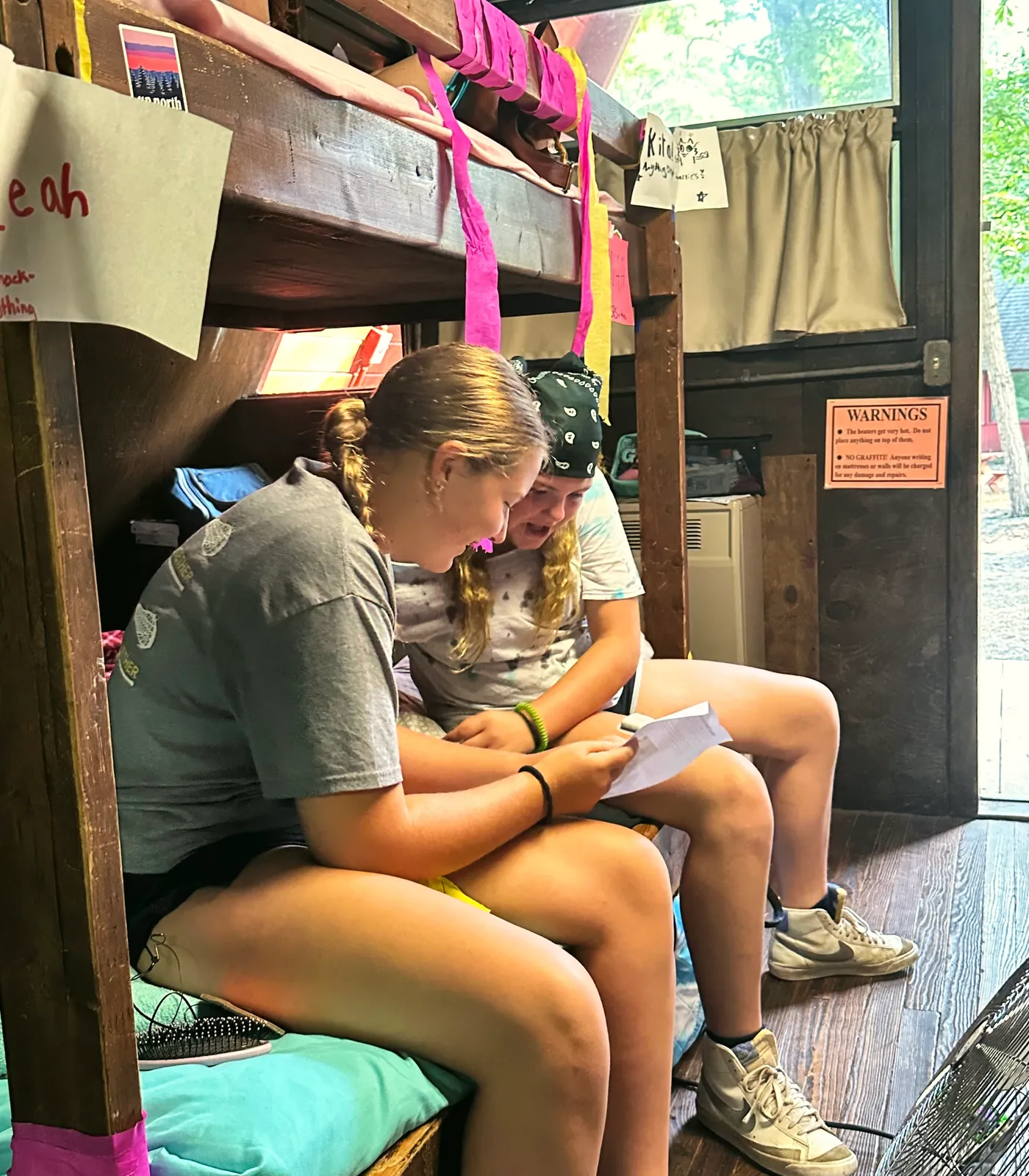
- Counselors sleep in the cabins with the campers and wake the medical staff when a camper needs care.
- Night readings and treatments go in the camper's record, so the morning team knows how the night went.
Camp week can be the first full nights of sleep you have had in a long time.
Pumps, CGMs, lows and highs
What happens when blood sugar goes up or down
Pumps and CGMs
Your child keeps their own pump and CGM at camp. The medical team works with the common systems; name yours on the health forms. (Setebaid to confirm which pumps and CGMs)
The medical team helps with pump site and CGM sensor changes. Older campers can do their own while a team member watches.
If your child's CGM reads on a phone, the phone comes to camp for the CGM app. We tell you the phone rules before camp.
During camp, the medical team watches the readings, so you do not have to. If you follow your child's CGM in an app at home, tell us before camp and we will explain how the week works. (Setebaid to confirm whether parents can follow readings)
Families send pump and CGM supplies, with spares.
Lows
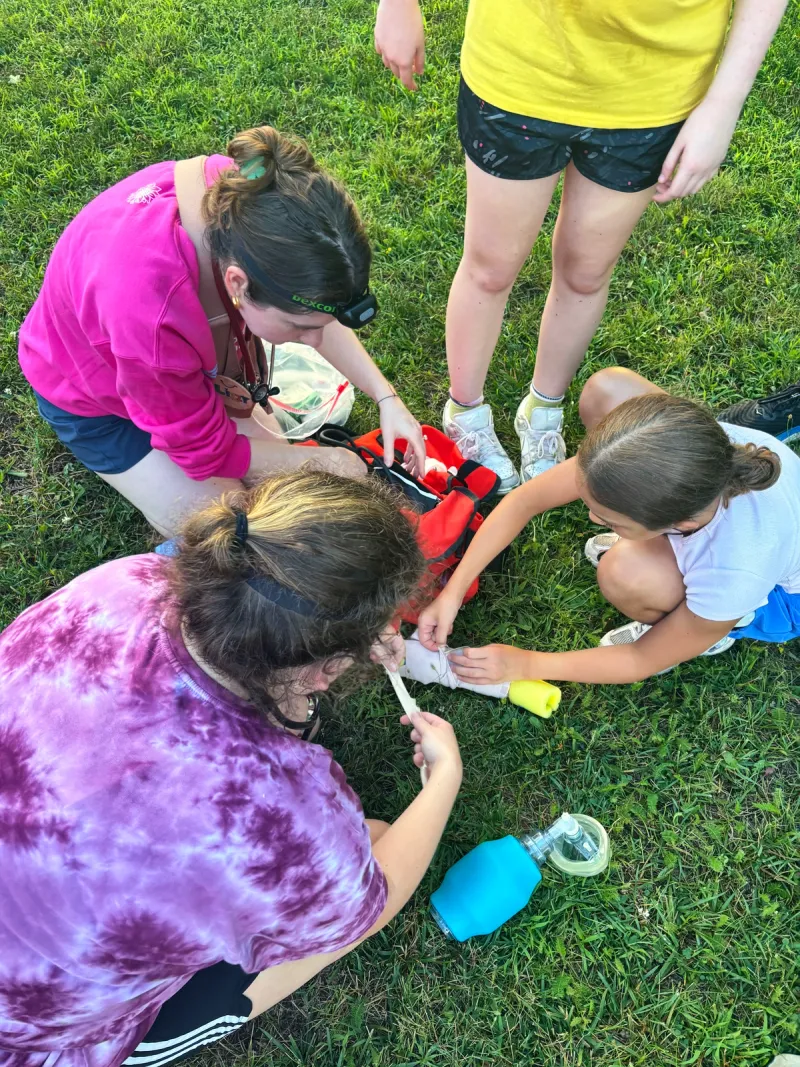
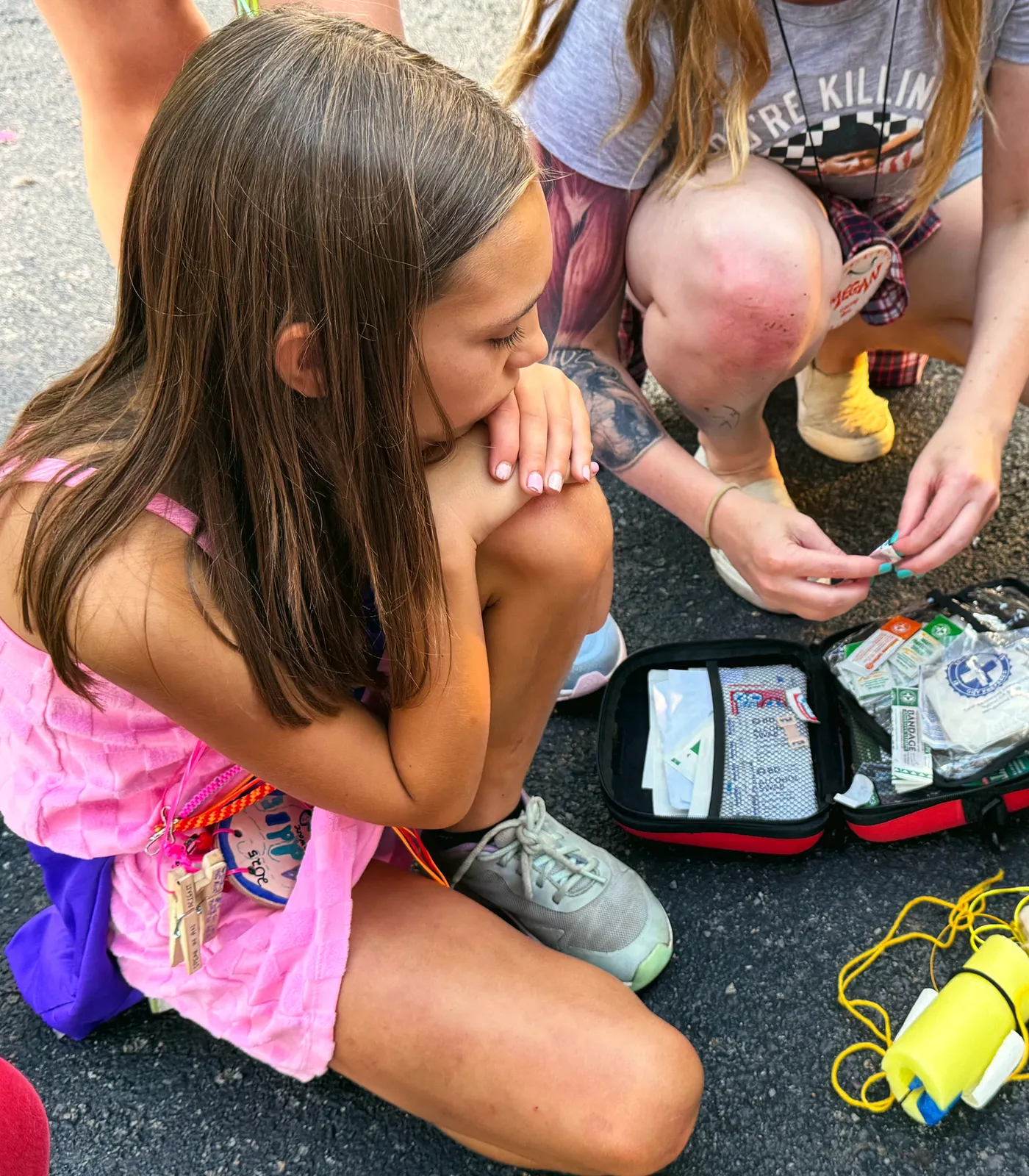
Counselors and medical staff carry fast-acting sugar everywhere: in the cabins, at the pool, on the trails and at every activity.
A low is treated at once, then checked again after 15 minutes, until the camper is back in range. (Setebaid to confirm)
Glucagon is on hand for a severe low, and the medical team knows how to give it.
Highs and ketones
When blood sugar stays high, the medical team checks for ketones and gives a correction dose. (Setebaid to confirm)
If the pump may be the cause, the team changes the site and checks again. (Setebaid to confirm)
Sick days
A camper who feels unwell sees the medical team at the camp health center. Sick-day care follows your child's diabetes plan. (Setebaid to confirm)
If a camper needs care that camp cannot give, the team takes them to a nearby hospital and calls you. (Setebaid to confirm)
When we call you
We call you if your child has a severe low, ketones that do not go down, an illness or injury that needs a doctor outside camp, or needs to go home. (Setebaid to confirm)
Everyday highs and lows are part of camp. The team treats them and records them in the log you get at pick-up.
Questions before camp? Ask about camp, and a person from camp calls you back.
Your child's own doctor decides
This page explains how camp works. Your child's own doctor decides on your child's care. Read our terms of use.
Food and carbs
Good food, with the carbs counted
Campers eat together in the dining hall, and everyone eats the same meals. The counting is done before the food reaches the table.
Safe staff and a safe camp
People you can trust with your child
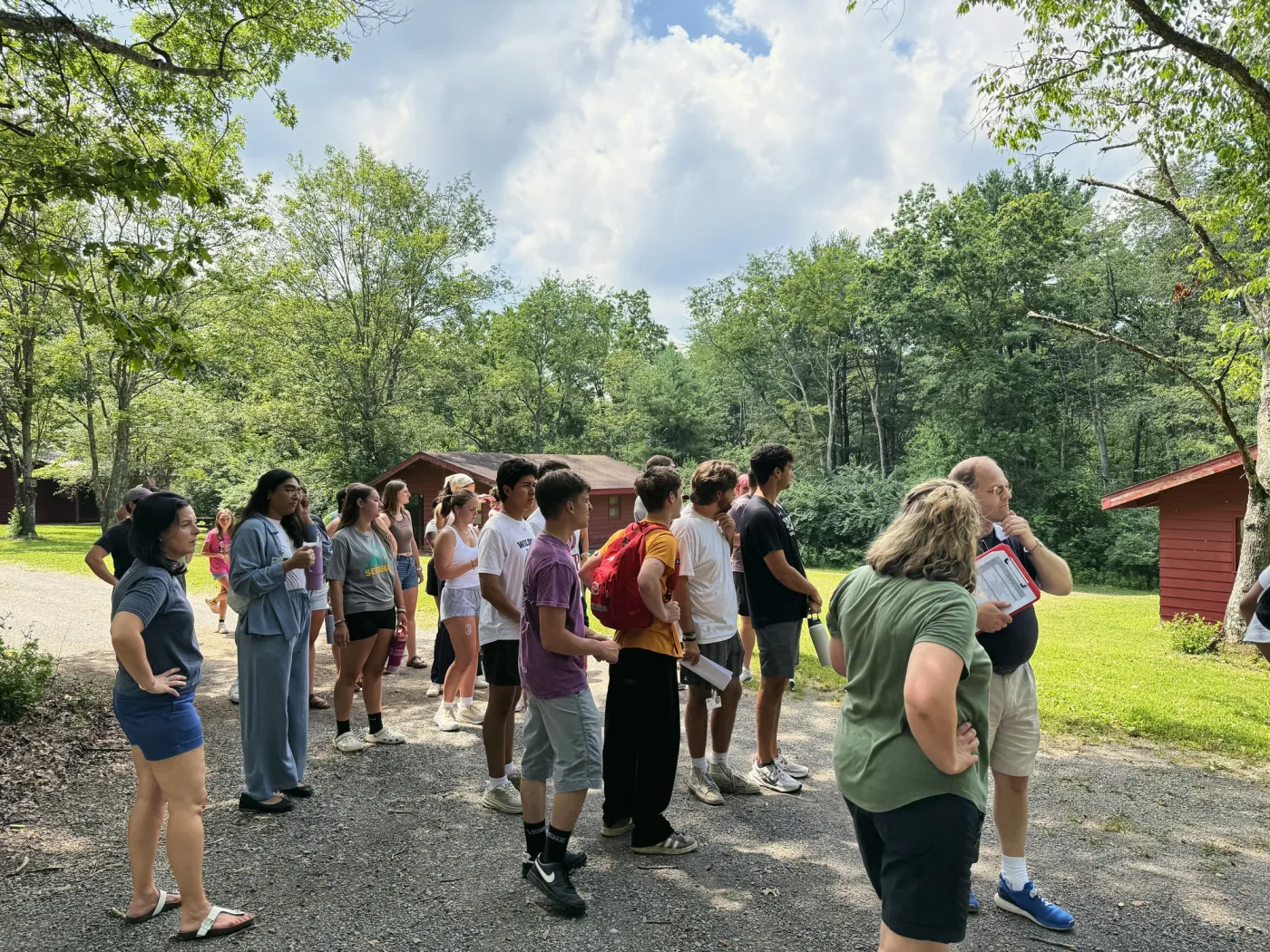
Safety comes first at both camps. Every adult who works with the campers is checked, screened and trained before the first camper arrives.
Three clearances.Every staff member passes three clearances before working with campers, including an FBI fingerprint check.
Careful screening.Every volunteer is screened before Setebaid accepts them as camp staff.
Days of training.Before campers arrive, staff learn child development, how to teach each age group, the diabetes care used at camp, and how to recognize and treat lows.
Staff who know diabetes.Many staff members were campers themselves or live with type 1 diabetes.
Accredited by the American Camp Association.The American Camp Association sets national standards for health and safety at children's camps. Diabetes camps meet extra standards to earn accreditation.