
Skip to content
Setebaid Services
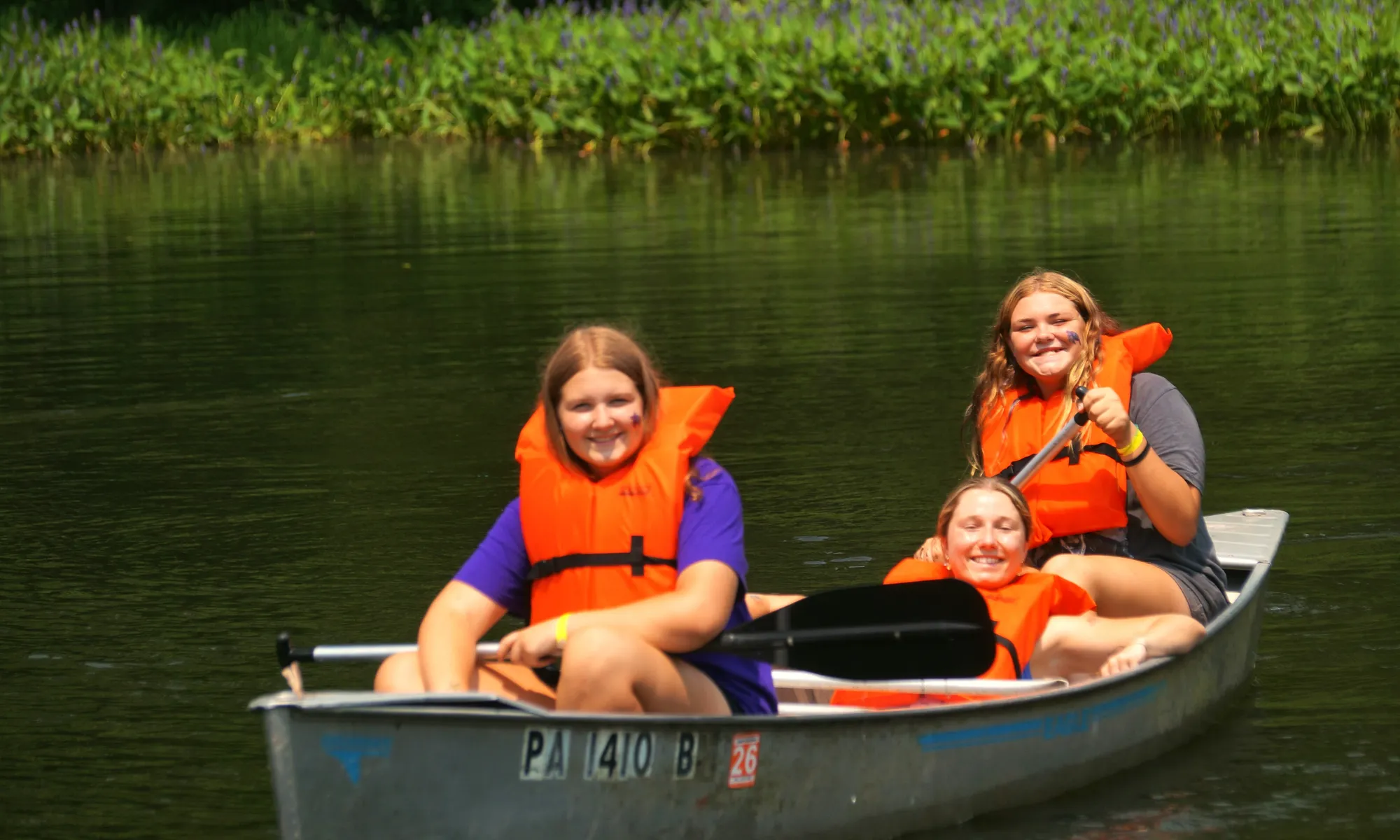
Three campers in orange life vests smile as they paddle a canoe down a calm river.

For first-time parents

A week of camp where your child is just a kid.

Setebaid is a nonprofit camp for kids and teens with diabetes. Donors cover most of the cost, so families pay far less than the full cost. Financial help is available.

One week at Camp Mount Luther, Mifflinburg, PA
July 11–17, 2027
Two camps, one for kids and one for teens
Ages 7–17
Medical staff on site
Day and night
has diabetes, so nobody is the only one
Every camper
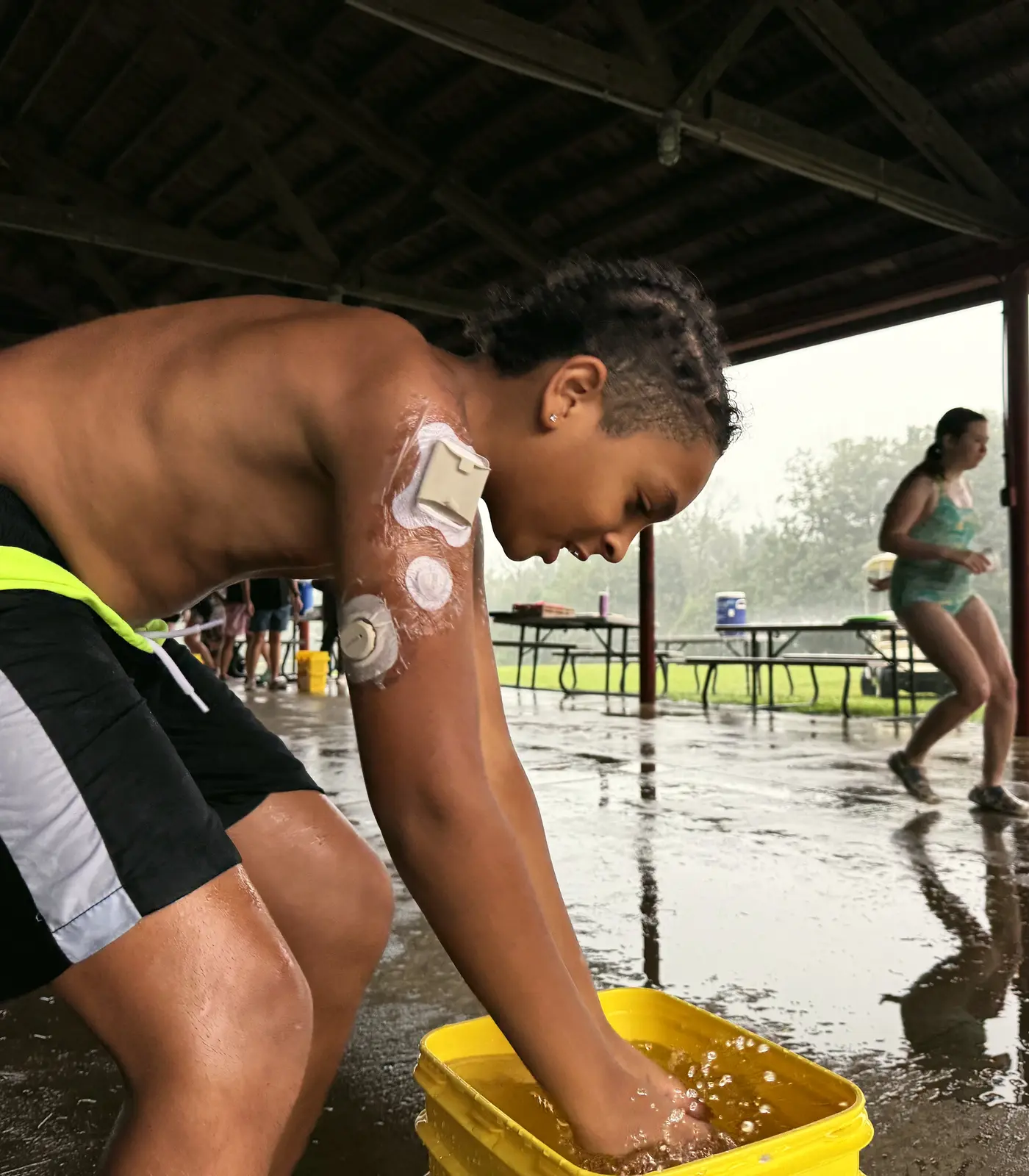
A camper with a CGM sensor on his arm washes his hands under the pavilion on a rainy day.

Is my child safe?

Your child is safe here, also at 3 AM.

Doctors, nurses and dietitians who know diabetes look after the campers all week, and they stay at camp overnight. A pediatric endocrinologist leads the medical teams for both camps.

  • Blood sugar checks before every meal and at bedtime, each with a visit to the medical and dietary team.
  • At night, medical staff watch CGMs and check blood sugar at midnight and 3 AM when needed. (Setebaid to confirm: all CGM brands)
  • Every staff member passes three clearances, including an FBI fingerprint check, and learns to treat lows before campers arrive.
  • Many staff members were campers themselves or live with type 1 diabetes.
At home, you wake up for the CGM alarms. At camp, that is the medical team's job.
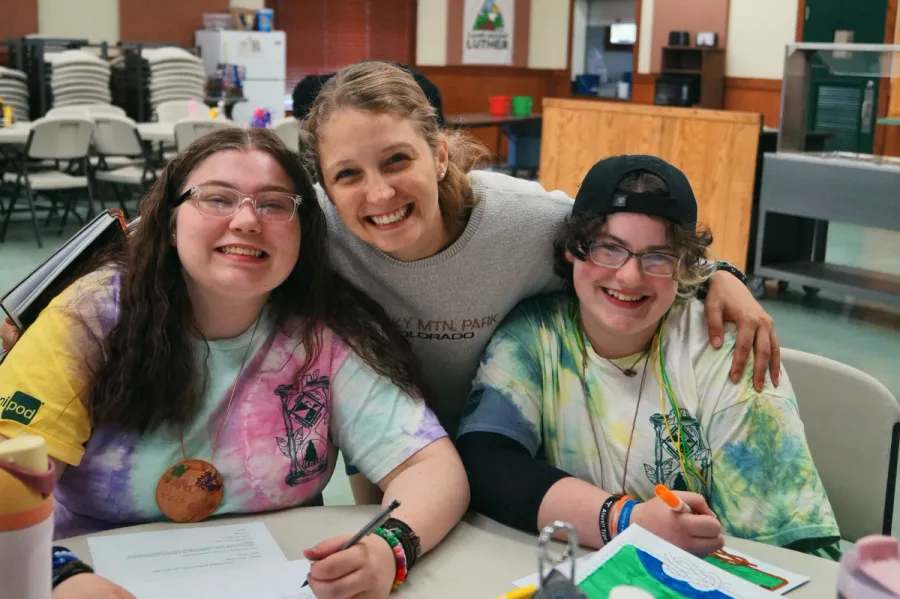
Three smiling campers sit together at a craft table. The camper in the middle has her arms around the other two.
craft table friends

A week with other kids like them.

  • Nobody has to explain

    Every camper has diabetes. Checking a number before lunch is normal here, because everyone at the table does it too.

  • Friends who understand

    Campers meet kids who live with the same alarms, site changes and finger checks. Many of these friendships last for years.

  • More independent at home

    Campers learn to manage their own diabetes during the fun, not in a classroom. Many come home ready to do more of their own care.

How campers learn at camp →

Feeling normal, in their own words

drag for more stories (Setebaid to confirm: each quote) ⟷
I saw his smile. My little man was relaxed and happy, and the sparkle he used to have returned to his eyes.

RosemarieParent of a camper

At camp, children with diabetes are with their peers. They understood each other on a level I could never understand.

Beth S.Parent and camp counselor

The friendships that are made at camp are what it is all about. My daughter just came home today and already has plans to meet up with camp friends next month.

Jennifer D.Parent of a camper

She completely came out of her shell and emerged more confident about giving herself insulin and calculating her carbs.

Jann K.Grandparent of a 2026 camper

At school, I'm always the kid with diabetes. Here, I'm just Jenny. No one treats me different. Everyone here gets it.

JennyCamper, age 10

It takes a village to raise a child. When you have a child with diabetes, consider diabetes camp as part of your village.

Beth S.Parent and camp counselor

My favorite part of camp was feeling normal and like I belonged again. It’s been a really long time since I felt like that!

FrankieCamper
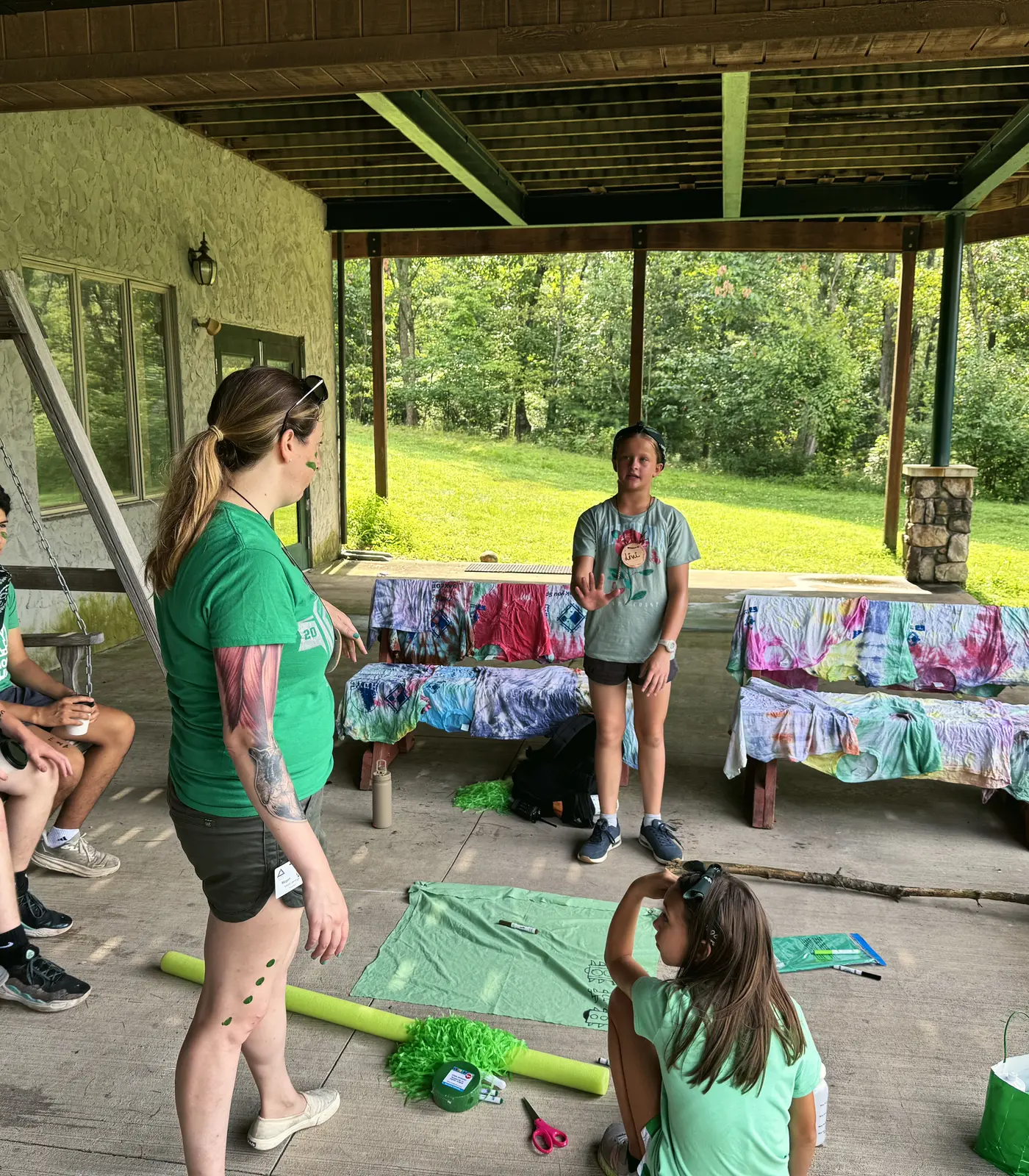
A counselor with a group of campers on a covered porch, with tie-dye shirts drying on the benches.

The first time away

What if my child gets homesick?

Many campers have never slept away from home. Missing home is normal, and counselors plan for it from the first night.

  • Trained counselors sleep in each cabin with the campers.
  • Some first-time campers miss home for a night or two. Counselors watch for it and keep homesick campers busy and close to their cabin friends.
  • Campers leave their phones at home and spend the week with their friends. If your child's CGM reads on a phone, we agree before camp how it works. (Setebaid to confirm the phone rule)
  • You can send short messages with Bunk Notes and see camp photos online during the week.
  • If homesickness does not pass, or your child needs you, camp calls you.

Not sure your child is ready? Talk it through with the camp director. Tell us about your child, and we help you decide.

Camps, dates and prices

Which camp, when, and what it costs
  1. Which camp is right for my child?

    Younger campers go to the Harrisburg Diabetic Youth Camp (HDYC), for ages 7–13. Teens who turn 13 by June 1 go to Camp Setebaid, for ages 13–17.

    Compare the camps

  2. When is camp?

    Both camps run the same week, July 11–17, 2027, at Camp Mount Luther in Mifflinburg, Pennsylvania. Registration for summer 2027 is open.

    Register

  3. What does camp cost?

    Donors cover most of the cost, so families pay far less than the full cost. Financial help is available. You choose your price tier, and every child gets the same camp.

    See dates and prices

    Financial help

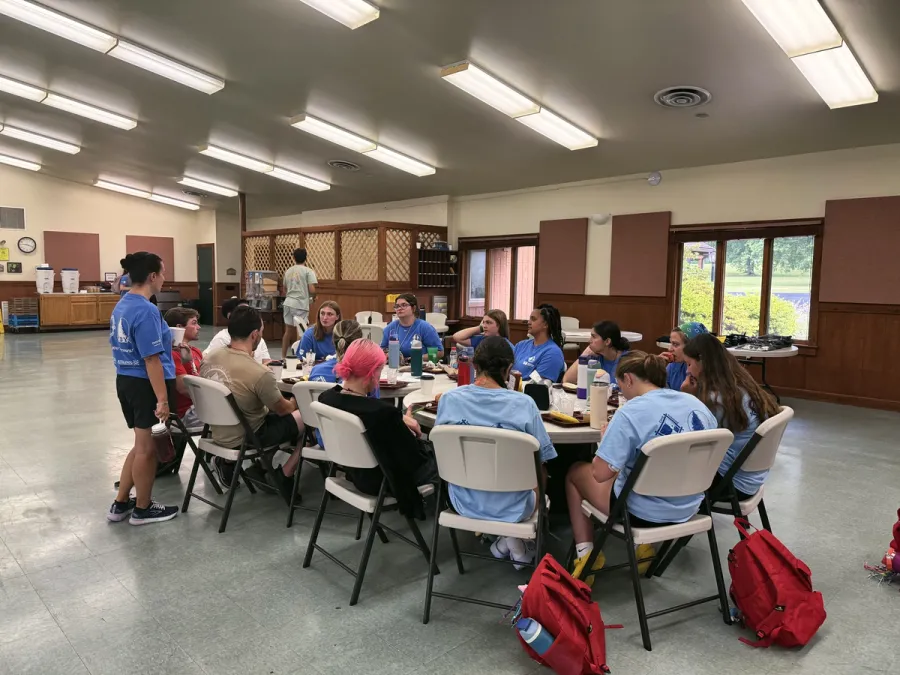
Campers in blue camp shirts eat and talk around a round table in the dining hall.
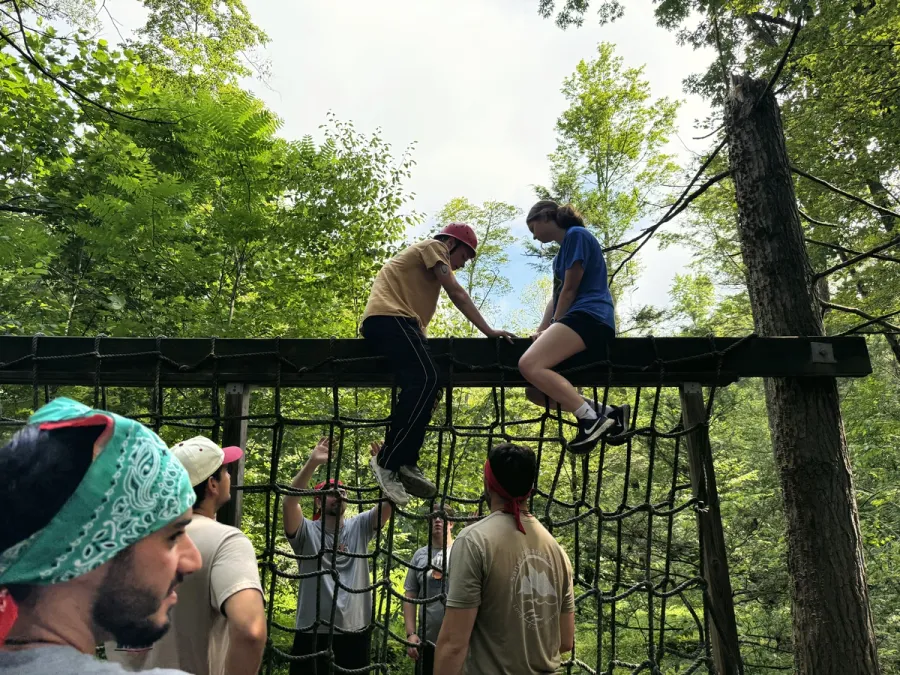
Campers climb over a log beam on the ropes course in the woods.
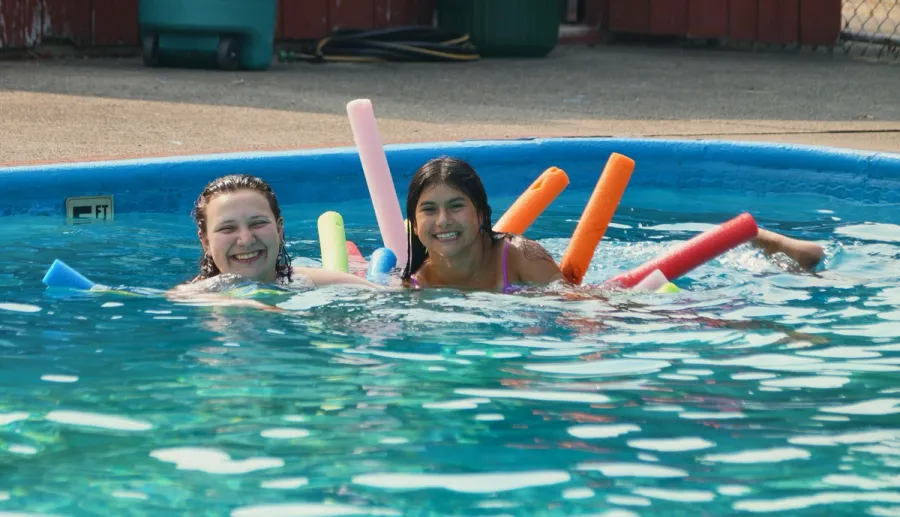
Two girls smile in the camp pool among colorful pool noodles.
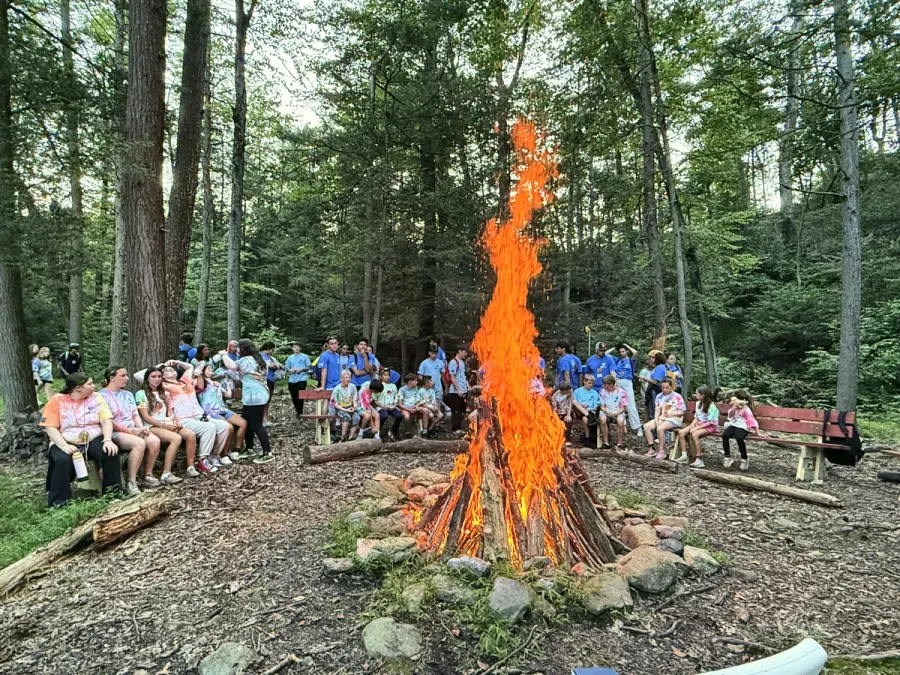
Campers and counselors sit on logs around a big campfire in a forest clearing.
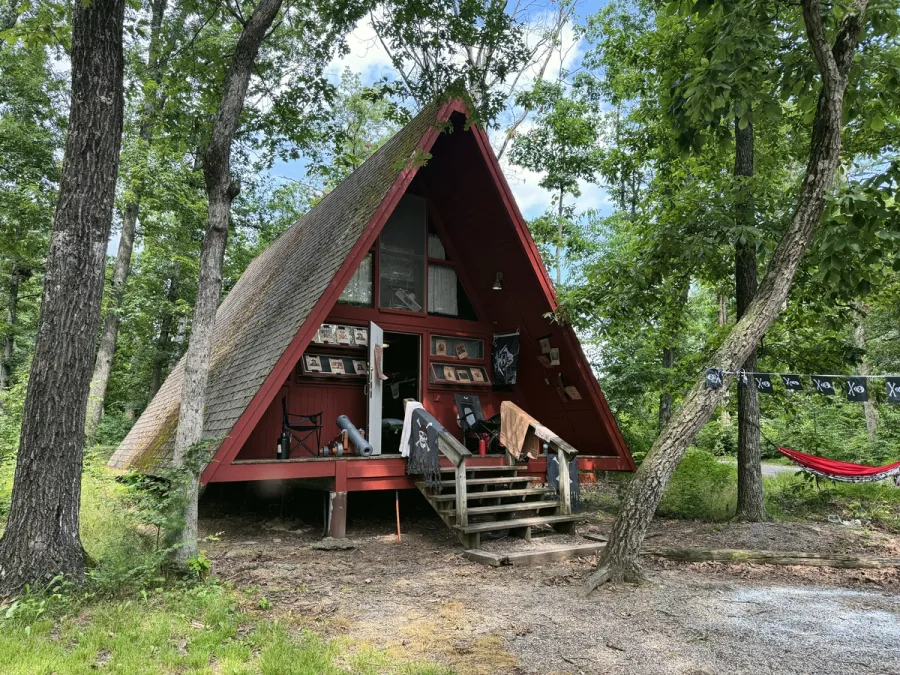
A red A-frame cabin among tall trees, with a red hammock beside the porch.

dining hall, ropes course, pool, campfire, cabin

A day at camp

A day at camp, hour by hour

  1. How this schedule works

    • This is a typical day for campers aged 8 to 12. Each camp changes it a little for its campers and for special events. (Setebaid to confirm the 2027 schedule)

    • Younger campers go to bed earlier. Teens sleep later in the morning and have more evening activities.

    • Blood sugar checks are in bold. Most come with a short visit to the medical and dietary team.

  2. Morning

    • 7:00 AM Wake up and wash. Blood sugar check, then a visit to the medical and dietary team.

    • 8:00 AM Breakfast in the dining hall.

    • 9:15 AM Cabin clean-up, which campers call "Yuckie Duties".

    • 9:45 AM First activity period, for example arts and crafts, archery or boating.

    • 10:45 AM Second activity period.

    • 11:45 AM Blood sugar check at the last activity or in the cabin.

  3. Afternoon

    • 12:00 PM Lunch in the dining hall.

    • 12:45 PM Third activity period.

    • 1:30 PM Fourth activity period.

    • 2:15 PM Rest time.

    • 3:15 PM Afternoon snack.

    • 3:30 PM Free swim at the pool.

    • 4:45 PM Quiet time for showers and pump site changes.

  4. Evening

    • 5:15 PM Blood sugar check, then a visit to the medical and dietary team.

    • 5:45 PM Dinner in the dining hall.

    • 6:30 PM Back to the cabin to get ready for the evening activity.

    • 7:30 PM Evening activity.

    • 9:00 PM Blood sugar check, then a visit to the medical and dietary team.

    • 9:15 PM Bedtime snack, brushing teeth and cabin time.

    • 9:45 PM Lights out.

  5. Overnight

    • 12 AM and 3 AM Medical staff check blood sugar when needed and watch CGMs through the night. (Setebaid to confirm: all CGM brands)

    How we care for your child

Meet the people who look after your child

Camp staff are volunteers. Doctors, nurses, dietitians, counselors and helpers give a week of their summer, and many of them were campers once. A small office team works all year.
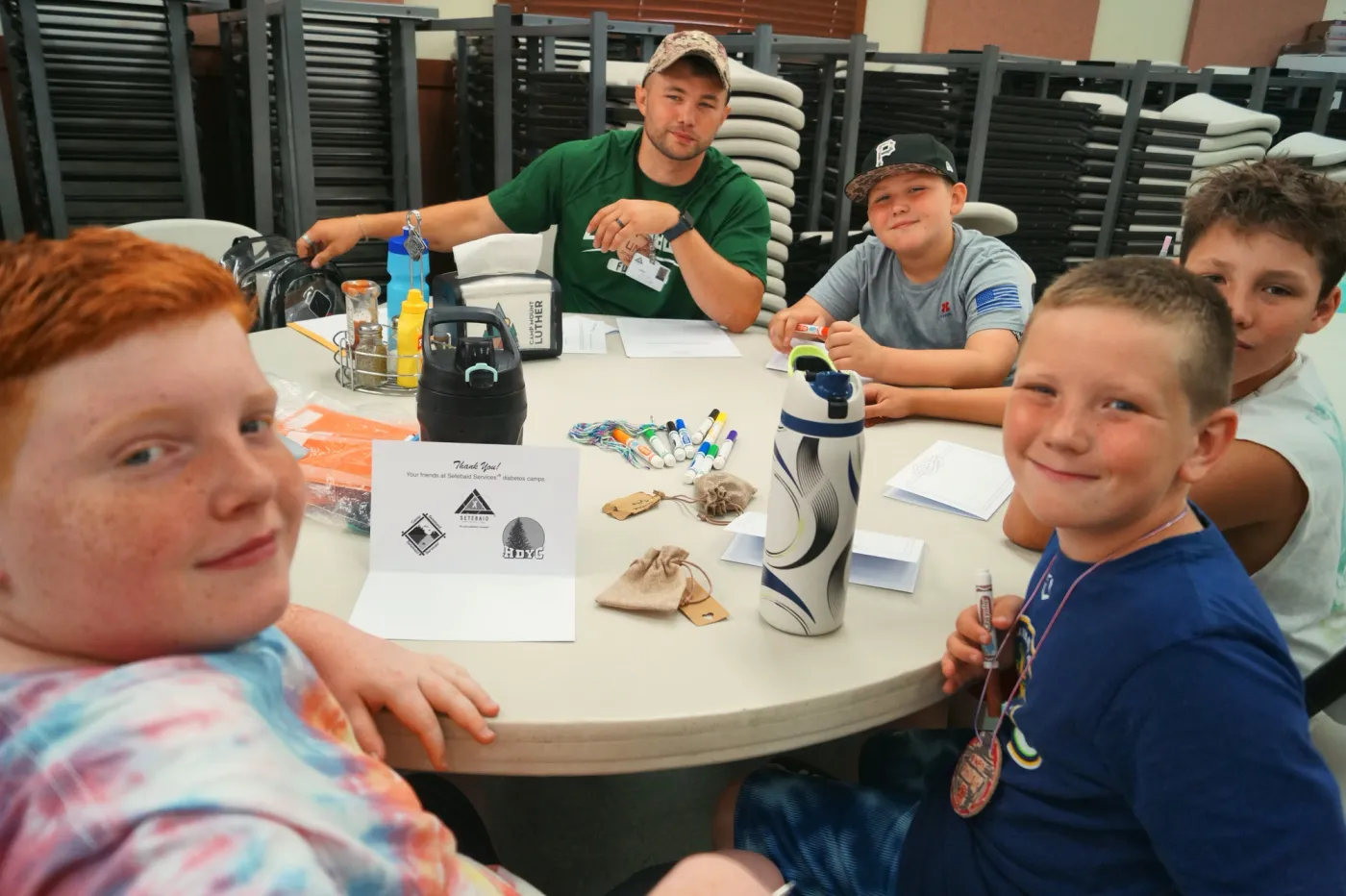
A counselor sits at a table with a group of smiling boys.

cabin crew

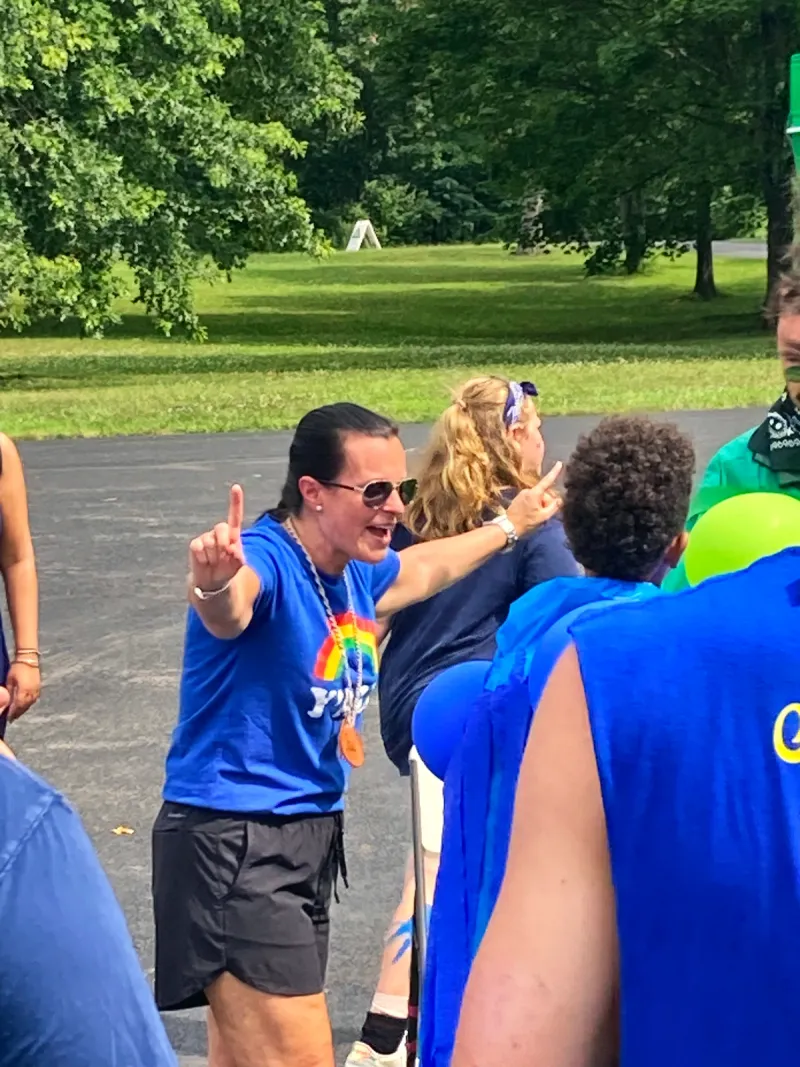
A staff member in sunglasses and a rainbow shirt points upward as she talks to a group of campers.

camp spirit

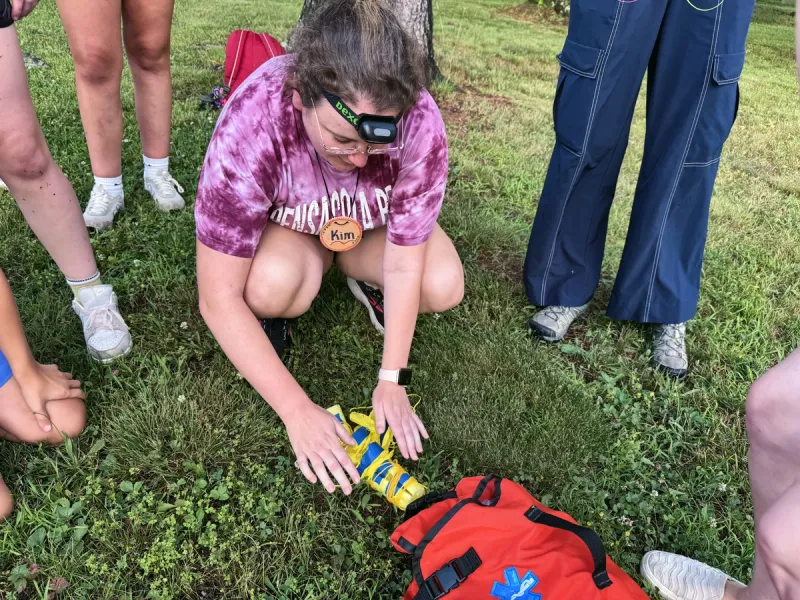
A staff member with a headlamp shows a group how to use a splint from a first-aid bag.

first-aid practice

Your next steps

What to do next

  1. 1. Ask your questions

    • Tell office staff about your child and ask anything. Send your questions with the form, and they call you back.

    • Prefer the phone? Call the office at (570) 524-9090.

    Talk to staff
  2. 2. Check the dates and your price

    • See the dates, the camp for your child's age and the price tiers. Financial help is available.

    See dates and prices
  3. 3. Register

    • Register online in Camp Brain. You pay a deposit, and an email confirms your child's place.

    Register
  4. 4. Get ready for camp

    • After you register, Before camp takes you through the forms, the packing list, the diabetes supplies to send and drop-off day.

    See the steps before camp
  5. 5. Still have a question?

    • The parent FAQs answer the questions parents ask us most.

    Read the parent FAQs

Still deciding? Talk to the director.

Send your questions, and the camp director calls you back. You can also call the office at (570) 524‑9090.